
FOUNDATIONAL
LITERACY
Foundational literacy is not about rushing children into reading, it is about preparing the brain, the ear, and the learner for successful reading and writing. This work focuses on the critical skills that come before formal literacy instruction, ensuring that children develop strong sound awareness, listening skills, and confidence before engaging with print.
WHY FOUNDATIONAL LITERACY MATTERS
Decades of research and classroom experience show that difficulties in reading often stem from weak foundations. When phonological and phonemic awareness are not securely developed, phonics instruction alone is not enough.
This work responds to that reality by prioritising the skills that support successful literacy learning, before letters, before spelling, and before reading instruction begins.
This establishes scientific credibility without jargon.
PHONOLOGICAL & PHONEMIC AWARENESS (THE CORE)
The Foundation Beneath Phonics
Phonological awareness refers to a child’s ability to hear, identify, and manipulate sounds in spoken language. This includes listening skills, rhyming, syllables, blending, segmenting, and phoneme manipulation.
Phonemic awareness, the ability to work with individual sounds, is a critical bridge between oral language and phonics. Together, these skills form the true foundation of reading and spelling.
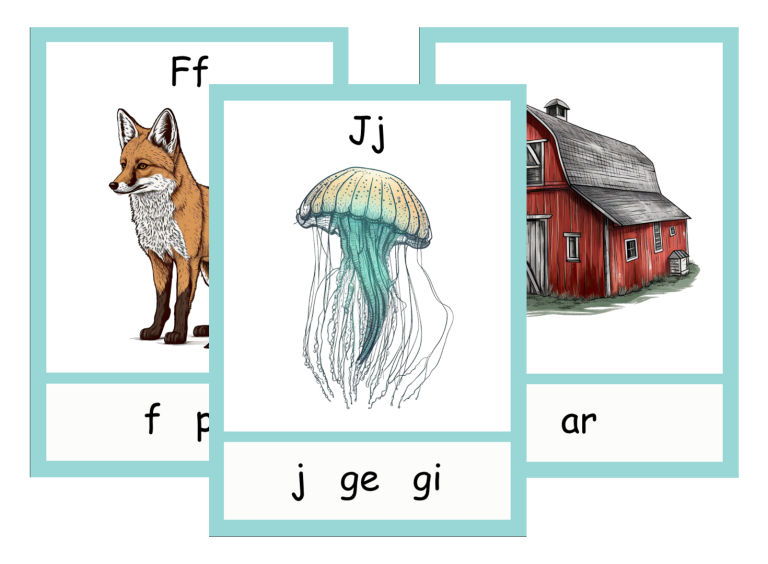
CAPAC & CUPAC — FOUNDATIONAL FRAMEWORKS
Culturally Grounded Literacy Foundations
This work is shaped by the Chelis African Phonological Awareness Curriculum (CAPAC) and its complementary applications (CUPAC). These frameworks are designed to support educators in developing strong phonological foundations in young learners, particularly within diverse and multilingual contexts.
CAPAC emphasises structured progression, oral language development, and culturally responsive practice, ensuring that foundational literacy skills are accessible, meaningful, and developmentally appropriate.

FROM FOUNDATION TO PHONICS (THE BRIDGE)
Culturally Grounded Literacy Foundations
Strong phonological awareness creates readiness for phonics. When children can hear, blend, and manipulate sounds with confidence, phonics instruction becomes clearer, more effective, and more sustainable.
This approach ensures that phonics is taught on solid ground, supporting reading, spelling, and writing success over time.
APPLIED LEARNING & COMMUNITY
Learning in Practice
Foundational literacy learning is supported through structured programmes, professional learning, and guided practice delivered through established platforms.
This is where the two items come in , quietly.
Applied learning experiences include professional development pathways such as the Phonics Mastery Plus subscription platform, which supports educators in strengthening their understanding of phonological foundations and structured literacy.
Ongoing learning and peer support are also fostered through practitioner communities, including the Jolly Phonics Global Students Community, where educators engage in shared reflection and learning

WHO THIS WORK SERVES
Early years educators
Primary school teachers
Literacy specialists
School leaders and education teams
Organisations focused on early learning and literacy
Explore Foundational Literacy Work
If you are interested in strengthening foundational literacy practice within your context, you are welcome to explore related work or begin a conversation.